


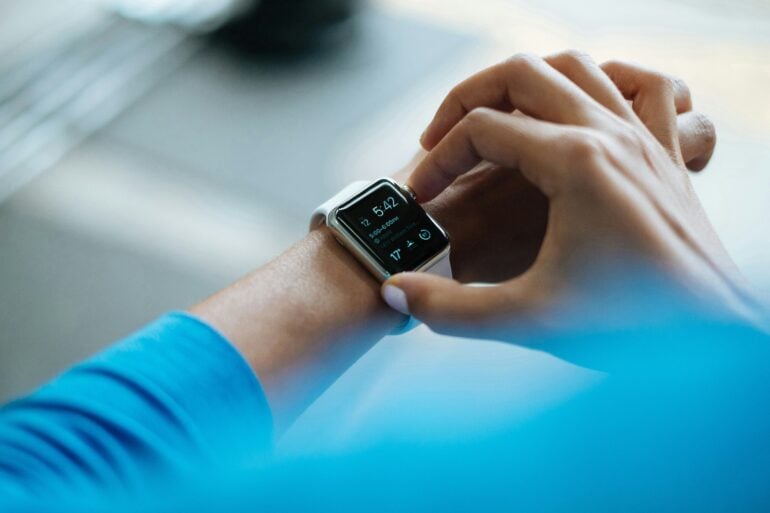
We check our phones for the weather, our bank balances, and directions to the nearest coffee shop. So it isn’t surprising that we’re now trusting these same devices to help us manage our physical and mental well-being. The days of waiting for an annual checkup to get a snapshot of your health are long gone. Today, people want continuous updates, actionable insights, and tools that fit effortlessly into their daily routines.
Behind this shift is a growing wave of innovation. When a talented mHealth app developer builds a platform that actually understands what a patient needs, the results are incredible. These mobile platforms do much more than just count steps. They act as personal trainers, dietitians, and medical assistants all wrapped into one interface, but why exactly are people so drawn to them? Let’s look at the main reasons consumers are downloading health applications in record numbers.
Real-Time Tracking and Instant Feedback
For a long time, understanding your own body felt like a guessing game. You might feel tired or sluggish, but you couldn’t pinpoint exactly why. Health applications change that by providing real-time data. Whether you’re tracking your sleep cycles, monitoring your heart rate during a morning run, or logging your meals, you get an immediate picture of your daily habits.
This instant feedback loop is incredibly empowering. Instead of waiting weeks to see if a new diet or exercise routine is working, users can simply look at their dashboard. If their resting heart rate is dropping or their sleep quality is improving, they know they’re on the right track. Seeing tangible progress right away keeps people engaged and motivated.
Highly Personalized Insights
Generic health advice doesn’t work for everyone. Eating a certain number of calories or running a specific distance might be great for one person but terrible for another. Consumers are flocking to mobile tools because they offer a tailored experience.
Modern applications learn from the data you input. They analyze your age, weight, activity levels, and personal goals to generate customized recommendations. If you want to train for a 5K, the platform builds a schedule based on your current fitness level. If you’re trying to manage your blood pressure, it suggests dietary changes that fit your specific lifestyle. People appreciate feeling like their health journey is unique to them, and these personalized algorithms provide individual attention that is hard to replicate.
Simplifying Chronic Condition Management
Living with a chronic illness like diabetes, asthma, or hypertension requires constant vigilance. It means tracking symptoms, knowing when to take medication, and understanding complex triggers. For these individuals, health apps aren’t just a fun fitness tool; they’re an essential part of daily survival.
Mobile applications make managing chronic conditions much less overwhelming. Instead of carrying around a physical notebook to log blood sugar levels or asthma attacks, patients can securely store everything on their phones. Many tools even sync directly with wearable monitors, automatically pulling in data without any manual effort. This simple digital record-keeping removes a lot of the stress associated with chronic illness, giving patients a better sense of control over their bodies.
Better Medication Adherence
Remembering to take daily medications is surprisingly difficult. Whether you’re balancing a busy work schedule or just running errands around town, it’s easy to forget a pill. Unfortunately, skipping doses can lead to serious complications, especially for those on strict treatment plans.
Apps provide a simple but highly effective solution: automated reminders. Users can set up schedules for every prescription and supplement they take. The phone pings them when it’s time for a dose and even reminds them when it’s time to request a refill from the pharmacy. This basic feature helps consumers stay consistent, reducing hospital visits and keeping their recovery on track.
Direct Communication With Providers
The gap between doctor visits used to be a black hole of information. If a patient had a question about a symptom or a side effect from a new medication, they had to call the office, leave a message, and wait for a nurse to call back.
Today, many healthcare systems offer their own mobile portals that connect patients directly to their care teams. Consumers love the ability to send a quick, secure message to their doctor without having to schedule a formal appointment. They can view their lab results as soon as they’re ready, schedule virtual telehealth visits, and update their medical history on the fly. This open line of communication makes healthcare feel much more accessible and less intimidating.
Building Motivation Through Community
Trying to lose weight, quit smoking, or train for a marathon can feel very lonely. Sometimes, relying on pure willpower just isn’t enough to get you out of bed for a morning workout. Consumers are drawn to health applications because they often come with built-in communities.
Many platforms allow users to connect with friends, family members, or strangers who share similar goals. They can join challenges, share their daily victories, and offer support when someone is struggling. This social aspect adds a layer of accountability that is hard to find on your own. When you know your friends can see whether or not you finished your daily steps, you’re much more likely to put on your shoes and go for a walk.
Taking Control of Personal Wellness
The way we approach our well-being has fundamentally changed. We no longer rely solely on occasional doctor visits to tell us how we’re doing. By giving us access to real-time data, personalized advice, and direct connections to medical professionals, mobile applications have put the power of healthcare directly into our hands. As these tools continue to evolve, they will only become more integrated into our daily routines, making it easier than ever to live healthier, more informed lives.