


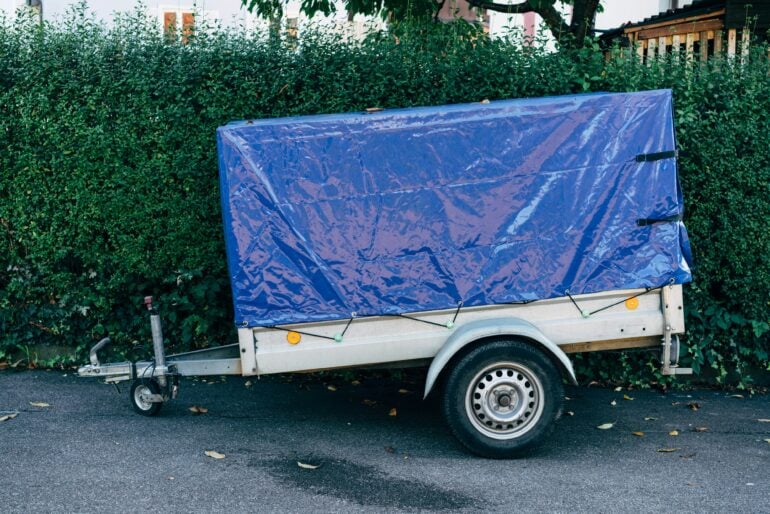
Hauling cargo down the highway isn’t just about getting from point A to point B. It’s about arriving with your entire load intact, staying compliant with state laws, and protecting other drivers on the road. Whether you’re transporting agricultural goods across the county or hauling gravel to a local job site, keeping your materials secure is priority number one. That’s exactly where finding the right trailer tarp system becomes crucial for your daily operations.
With so many different setups available, picking the best one for your specific rig can feel overwhelming. You can’t just buy the first cover you see and expect it to handle every type of job. Making the wrong choice leads to torn fabric, ruined loads, and frustrating delays. Let’s break down exactly what you need to consider so you can equip your truck with the perfect covering solution.
Evaluate Your Typical Cargo First
The type of material you haul dictates the exact type of cover you need. If you regularly transport asphalt, you know that keeping the heat locked in is essential for a successful drop. A standard mesh cover won’t do the trick; you need a solid vinyl cover rated for high temperatures to prevent the asphalt from cooling and hardening before you reach the paving site.
On the other hand, if your daily runs consist of hauling sand, rock, or construction debris, a breathable mesh system is usually your best bet. Mesh allows wind to pass through, reducing the wind drag on your rig while still keeping the loose debris safely contained inside the bed. For farmers hauling grain, fertilizer, or other sensitive agricultural products, water protection is the biggest concern. A fully waterproof vinyl system that seals tightly over the edges is required to keep rain out and protect the crop’s overall value.
Choose Between Manual and Electric
One of the biggest decisions you’ll make is choosing how you want to operate the cover. Manual systems are the traditional route. They’re cost-effective, straightforward to install, and relatively simple to repair if something breaks while you’re out on the road. However, they require physical effort to crank or pull the cover over the load, which gets exhausting if you’re making multiple short trips and dumping several times a day.
If your route requires frequent stops and drops, an electric system is a total game-changer. With the push of a button from inside the cab, you can cover or uncover your load in mere seconds. This keeps the driver safely out of the weather and significantly speeds up the turnaround time at busy job sites. While electric setups require a larger initial investment, the time saved and the reduced physical strain on the driver often make up for the cost within the first few months of use.
Pick the Right Deployment Mechanism
How the cover rolls out is just as important as the material it’s made from. Front-to-back flip systems are incredibly popular for standard dump trucks and smaller trailers. These use spring-loaded arms that flip the cover over the top of the load from the cab all the way back to the tailgate. They’re quick, reliable, and great for loads that sit below the top rail.
If you’re pulling a larger hopper bottom or an end dump trailer where the cargo might peak above the side rails, a side roll system is usually the better choice. These systems roll the fabric from one side of the trailer to the other, accommodating heaped loads like grain or mulch without tearing the material on sharp edges. Cable systems are another excellent option for longer trailers, utilizing a sliding bow mechanism that operates similarly to an accordion, pulling the fabric smoothly over uneven piles of cargo.
Match the Hardware to Your Environment
The environment you operate in takes a serious toll on your equipment. If your routes take you through areas with harsh winters and salted roads, you need hardware that actively resists corrosion. Aluminum arms and housings are lightweight and won’t rust, making them perfect for wet or snowy climates.
If you’re constantly working in rugged environments like scrap yards or land clearing sites, where branches and debris might hit the side of the trailer, you might prefer the durability of steel components. While steel adds a bit more weight to your rig, it handles rough impacts better than aluminum. Paying attention to the quality of the bows, brackets, and motors ensures your system survives the daily grind.
Factor in Maintenance and Repairability
Every piece of equipment on a working truck will eventually need maintenance. When selecting a setup, look closely at how easy it is to replace individual parts. If a motor burns out or a spring snaps, you don’t want to replace the entire assembly. The best setups feature modular designs where you can easily swap out a damaged section of fabric, replace a bent bow, or install a new switch without needing specialized tools.
Choosing a reputable brand also means you’ll have an easier time sourcing replacement parts when you need them. Having a truck sitting idle because you’re waiting weeks for a proprietary replacement part is a frustrating way to lose money. Ensure the system you choose is backed by a solid warranty and a manufacturer that keeps standard parts in stock.
Protect Your Payload
Equipping your rig with the right gear isn’t a one-size-fits-all process. By carefully evaluating the materials you haul, the style of your trailer, and the physical demands of your daily routes, you can pinpoint the exact setup that makes your job easier. A reliable cover keeps your cargo safe, keeps the highway patrol happy, and helps you run a much more efficient hauling operation day in and day out.