


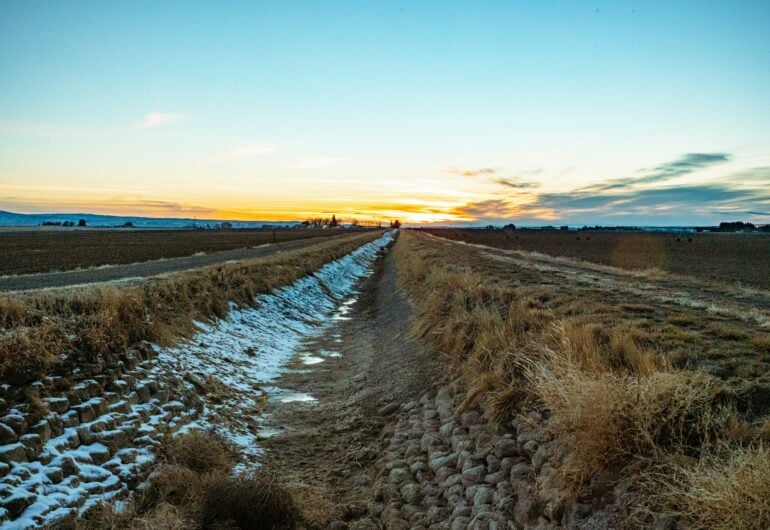
Water has a funny way of reshaping property, usually not in the way you want. If you have a drainage ditch running through your land, you might’ve noticed the banks slowly caving in over the years. When a channel becomes too narrow to handle storm runoff, water backs up, floods your yard, and erodes the surrounding soil. The logical fix is to widen the trench so it can carry more volume.
However, simply digging out the dirt banks won’t solve the problem long-term. The fresh, loose soil will just wash away during the next big rainstorm, putting you right back where you started. To create a stable, widened channel that holds its shape, you need to reinforce the new banks. This is exactly where gabion products become your best friend. These wire mesh enclosures provide incredible structural support while allowing water to drain naturally, making them the perfect solution for reshaping and securing your property’s drainage system. Here is a step-by-step guide on how to utilize them to widen a troublesome ditch.
Planning the New Layout and Gradient
Before you pick up a shovel, you need a clear, calculated plan. Decide how wide the new channel needs to be to handle the water flow during your wettest seasons. Use wooden stakes and a string line to clearly mark the new edges of the trench.
Keep in mind that the wire baskets will take up space along the sides, so you need to dig wider than your desired final water path. For instance, if you want a three-foot-wide stream of water and plan to use baskets that are one foot deep on each side, you must excavate a five-foot-wide trench. During this planning phase, verify your slope. The ditch still needs a proper gradient to rely on gravity for water flow. Ensure your string lines follow a gradual downhill slope toward your exit point so water doesn’t pool and become stagnant in the newly widened area.
Excavation and Foundation Prep
Once your lines are set, it’s time to dig. You can tackle this by hand for a small garden swale, but renting a mini-excavator will save your back for longer property lines. Dig out the dirt to your desired width and depth, making sure the side walls are relatively vertical to accommodate the rectangular baskets.
The most critical step here is leveling the floor where the wire structures will sit. If the dirt base is uneven, your entire retaining wall will lean toward the water. Compact the dirt floor firmly using a hand tamper or a rented plate compactor. Many professional landscapers lay down a thin base layer of crushed gravel, tamping it flat to create a perfectly level, sturdy foundation for the baskets to rest on.
Installing the Geotextile Fabric
This step is frequently skipped by DIYers, but it’s vital for long-term success. Before placing any wire mesh, drape a high-quality, non-woven geotextile filter fabric along the raw soil banks and down under where the baskets will sit.
This fabric acts as a protective barrier. It prevents the fine dirt behind the wall from washing through the rocks and into your trench when it rains, while still allowing groundwater to seep through the material. Without this fabric, the soil behind your new wall will slowly erode with every storm, eventually causing dangerous sinkholes in your yard right behind the wire.
Assembling and Placing the Wire Baskets
Carry your flat-packed wire mesh down to the trench. It’s much easier to assemble the boxes directly in the ditch rather than building them on the lawn and trying to awkwardly lower them into place.
Fold the panels up into a box shape and secure the corners using the provided spiral binders or hog rings. Place the empty boxes end-to-end along the edges of your newly widened trench. Use pliers and wire to tie the adjacent baskets together. Securing them to one another is a crucial step; it ensures they act as one continuous, unified retaining wall rather than individual blocks that could shift independently over time.
The Filling Process
Now comes the physical part. You need to fill the wire structures with stone. The rocks you choose must be larger than the grid openings of the mesh so they don’t fall through. Angular crushed stone is usually the best choice because the jagged edges lock together tightly, creating a highly stable structure.
Fill the baskets in layers. Add a few inches of rock, then take a moment to manually arrange the stones near the visible front face so they sit flat and look neat. To keep the front wire face from bulging outward under the weight of the rocks, you must install internal cross-ties or bracing wires across the middle of the basket before filling it all the way to the top. Repeat this process until the stones are level with the top rim.
Lidding and Backfilling
Once the baskets are full, fold the wire lid down and secure it tightly along all edges and down the middle dividers. With the new reinforced banks securely in place, you’ll likely have a small gap between the back of the wire baskets and the raw dirt bank you excavated. Fold the geotextile fabric over the back of the basket to seal the dirt in, then backfill that remaining gap with soil or gravel. Tamp it down firmly to ensure there aren’t any hidden air pockets.
A Natural, Long-Lasting Flow
Widening a ditch with these wire enclosures does more than just control seasonal floodwaters; it transforms an ugly, eroding trench into a neat, structured landscape feature. Because the walls are flexible, they can shift slightly with the freezing and thawing ground without cracking like poured concrete would. The gaps between the stones naturally slow down the water flow, reducing erosion downstream, while providing a permeable barrier that manages groundwater effectively. Over time, natural vegetation can even grow through the rocks, blending the structure perfectly into your landscape. By putting in the effort to widen and secure your drainage paths properly, you protect your property from water damage and create a clean, functional waterway that’ll last for decades.